Quick Answer
Similes for anxiety compare nervous feelings using words like “as” or “like” to create vivid, relatable descriptions. They help writers show fear, worry, tension, and nervous anticipation through powerful imagery rather than simply labeling emotions. Whether you’re crafting characters, writing poetry, or describing personal experiences, these comparisons bring anxious feelings to life.
Anxiety is one of the most universal human experiences, yet it remains one of the most challenging emotions to describe effectively.
Everyone has felt anxious at some point whether before a job interview, during a difficult conversation, or when facing an uncertain future. But when you try to capture that specific feeling of restlessness, dread, or nervous anticipation in writing, simple words like “anxious,” “worried,” or “nervous” often fall short. They tell readers what a character feels but don’t make them experience that feeling alongside them.
That’s where similes become invaluable.
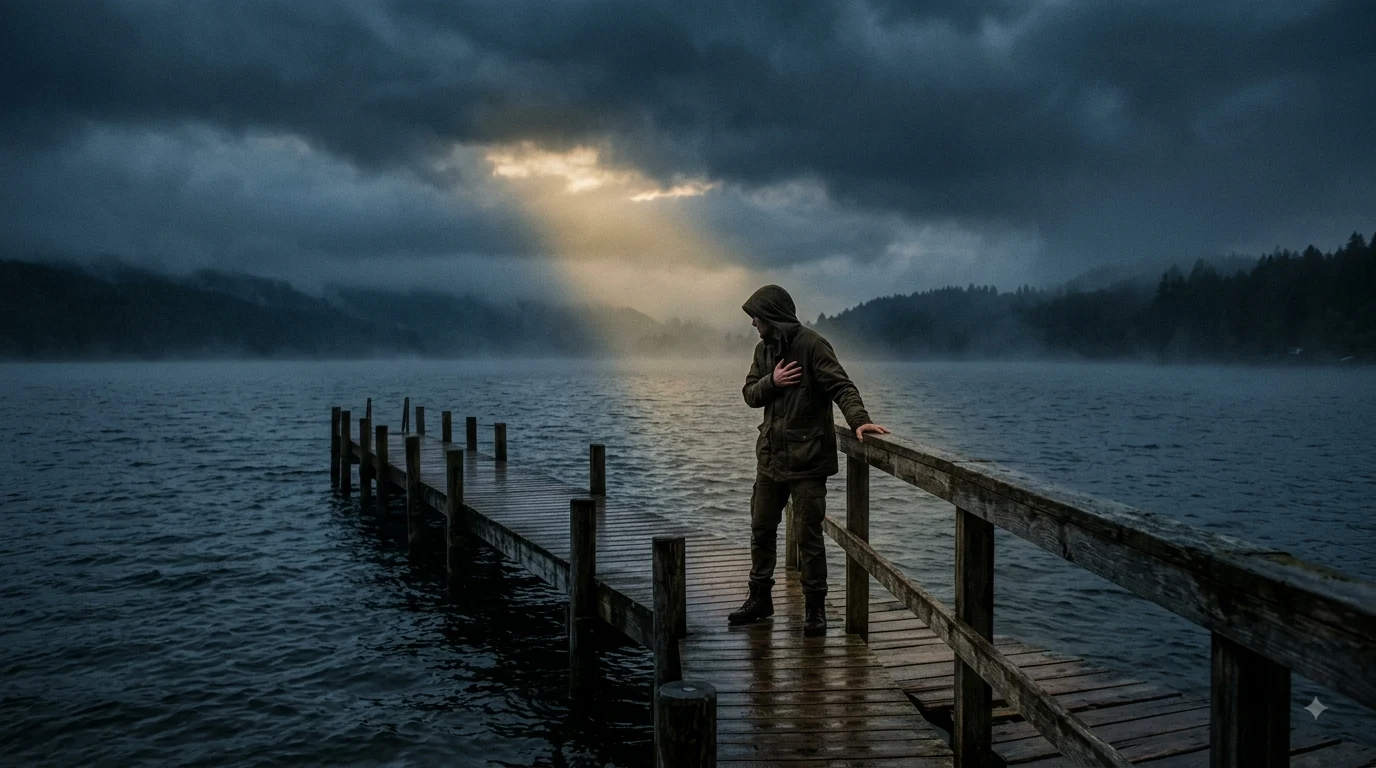
By comparing anxiety to familiar sensations, objects, and natural phenomena, writers can create descriptions that resonate instantly and emotionally with readers. A nervous character might feel “like a leaf trembling before a storm” or “as restless as caged birds before flight.” These comparisons transform abstract emotional states into imagery readers can see, feel, and understand on a visceral level.
Whether you’re writing fiction, poetry, memoirs, screenplays, or personal essays, powerful similes for anxiety help readers connect with characters’ emotional experiences. They add depth, authenticity, and memorability to your writing.
This comprehensive guide explores meaningful similes for anxiety, complete with meanings, explanations, practical examples, and writing techniques to strengthen your descriptive abilities.
Quick List of Similes for Anxiety
| Simile | Meaning |
| Like a leaf trembling before a storm | Physical restlessness and anticipation of trouble |
| As restless as caged birds before flight | Inability to stay still or calm |
| Like a rabbit sensing a predator | Heightened awareness and fear |
| As tight as a drawn bowstring | Intense physical and mental tension |
| Like a storm cloud building on the horizon | Growing dread and impending unease |
| As jumpy as a startled deer | Easily frightened and reactive |
| Like a compass needle spinning wildly | Confusion and inability to find direction |
| As fragile as spun glass | Feeling vulnerable and breakable |
| Like a ticking clock in a silent room | Overwhelming awareness of passing time |
| As cold as a shadow in winter | Fear that drains warmth and comfort |
Similes for Physical Restlessness and Tension
Like a Leaf Trembling Before a Storm
Meaning
Describes someone experiencing physical shaking, nervous energy, or visible signs of anxiety, often in anticipation of something stressful or frightening.
Why It Works
Leaves tremble visibly in the wind before a storm arrives, creating an image of vulnerability, anticipation, and exposure to forces beyond one’s control. The comparison immediately conveys both the physical manifestation of anxiety (trembling) and the psychological state (awareness of approaching difficulty).
Alternative Expression
“Like an aspen in a gentle wind” or “like a branch under pressure”
Formal Example
Throughout the interview, his hands trembled like leaves before an approaching storm, betraying the confidence his voice attempted to project.
Casual Example
She was shaking like a leaf before the presentation started.
Creative Example
His fingers danced across the tabletop, trembling like autumn leaves sensing the first breath of winter’s fury.
As Restless as Caged Birds Before Flight
Meaning
Captures the inability to remain still, the constant movement, and the desperate desire to escape or find relief from anxious energy.
Why It Works
Birds in cages pace, flutter, and beat their wings against their confinement when they sense the possibility of freedom. This image powerfully conveys the trapped feeling of anxiety, combined with the physical restlessness that often accompanies nervous anticipation.
Alternative Expression
“Like trapped butterflies seeking escape” or “as unsettled as wind before rain”
Examples in Writing
Formal Example
She paced the waiting room floor as restless as caged birds preparing for flight, unable to find comfort in any chair for more than a moment.
Casual Example
He couldn’t sit still all evening, restless as a bird in a cage.
Creative Example
Energy coursed through her limbs like captive birds flinging themselves against bars, each movement a desperate prayer for release.
As Tight as a Drawn Bowstring
Meaning
Represents the physical tension, stiffness, and coiled readiness that accompanies high anxiety, suggesting that any additional pressure might cause a sudden release of emotion or action.
Why It Works
A drawn bowstring holds tremendous potential energy, stretched to its maximum capacity. This comparison captures the feeling of being wound so tightly that even the smallest trigger might cause an explosive reaction, whether a sudden outburst, a panic response, or physical collapse.
Alternative Expression
“Like a coiled spring” or “as taut as a violin string”
Examples in Writing
Formal Example
His shoulders remained as tight as a drawn bowstring throughout the entire negotiation, each word from opposing counsel adding more tension to the bow.
Casual Example
I felt so tense, like a bowstring about to snap.
Creative Example
Every muscle in her body stretched taut as a bow drawn to breaking point, awaiting the release that might never come.
Like a Rabbit Sensing a Predator
Meaning
Describes the hypervigilance, heightened awareness, and frozen alertness that comes with intense anxiety, particularly when someone feels threatened or watched.
Why It Works
Rabbits in the wild maintain constant awareness of potential dangers, freezing at the slightest sound or movement. This comparison captures the anxious state of being perpetually on guard, never fully relaxing, always anticipating the worst.
Alternative Expression
“Like prey in an open field” or “as watchful as a deer in hunting season”
Examples in Writing
Formal Example
She entered the crowded room like a rabbit sensing a predator, her eyes scanning every face for potential threat.
Casual Example
He’s always so jumpy, like a rabbit afraid of hawks.
Creative Example
Her awareness sharpened to painful edges, senses extended like a rabbit frozen beneath a circling shadow.
As Unsteady as a Boat in Stormy Waters
Meaning
Represents the feeling of instability, uncertainty, and lack of control that anxiety creates, as if one’s emotional foundation is constantly shifting.
Why It Works
Boats in rough water pitch, roll, and struggle to maintain their course. This image powerfully conveys the disorienting experience of anxiety, where nothing feels stable or secure, and every attempt at steadiness is met with new waves of unease.
Alternative Expression
“Like walking on shifting sand” or “as unstable as a house of cards”
Examples in Writing
Formal Example
His confidence proved as unsteady as a boat in stormy waters, swaying with every criticism and setback.
Casual Example
I felt completely unsteady walking into that meeting.
Creative Example
Her certainty crumbled like a vessel battered by relentless waves, each doubt another swell threatening to capsize her resolve.
Similes for Mental Restlessness and Overthinking
Like a Compass Needle Spinning Wildly
Meaning
Captures the confusion, indecision, and inability to find direction that often accompanies overwhelming anxiety.
Why It Works
A compass needle normally points steadily north, but when disrupted, it spins without purpose. This image perfectly represents the anxious mind’s struggle to find clarity, stability, or a clear path forward when overwhelmed by worry.
Alternative Expression
“Like a weather vane in a hurricane” or “as confused as a lost traveler”
Examples in Writing
Formal Example
Her thoughts spun like a compass needle gone wild, every possible decision seeming equally wrong and dangerous.
Casual Example
My mind was all over the place, like a compass that couldn’t find north.
Creative Example
Reason abandoned her like a broken compass, thoughts whirling without direction through the storm of her anxiety.
Like a Ticking Clock in a Silent Room
Meaning
Represents the overwhelming awareness of time passing, the pressure of deadlines, and the way anxiety amplifies every small sound or sensation.
Why It Works
In complete silence, the sound of a ticking clock becomes deafeningly loud. This comparison captures how anxiety magnifies small concerns into overwhelming preoccupations, making every passing second feel significant and urgent.
Alternative Expression
“Like counting seconds before disaster” or “as constant as a heartbeat in darkness”
Examples in Writing
Formal Example
The deadline loomed in her mind like a ticking clock in a silent room, each passing moment increasing the pressure.
Casual Example
Waiting for the results felt like listening to a clock tick all night.
Creative Example
Time marched through her consciousness like an endless ticking, each second another nail in the coffin of her composure.
As Tangled as a Knotted Necklace
Meaning
Describes confused, chaotic thinking where worries become intertwined and impossible to separate.
Why It Works
A knotted necklace presents a frustrating challenge, with each effort to untangle one strand only tightening another. This image perfectly represents the anxious mind’s tendency to create complex webs of worry where problems become inseparable and solutions seem impossible.
Alternative Expression
“Like a labyrinth of worry” or “as confused as a maze without exits”
Examples in Writing
Formal Example
Her concerns lay tangled in her mind like a knotted necklace, each worry connected to the next in ways she couldn’t unravel.
Casual Example
My thoughts were all tangled up and I couldn’t think straight.
Creative Example
Anxiety wove through her consciousness like a necklace tied in impossible knots, each attempt at untangling only creating more confusion.
Like a Song Stuck on Repeat
Meaning
Represents the repetitive, intrusive nature of anxious thoughts that play over and over despite efforts to stop them.
Why It Works
A song stuck in one’s head plays endlessly, intruding at the worst moments and refusing to be silenced. This comparison captures how anxious thoughts invade the mind repeatedly, disrupting peace and concentration no matter how much one tries to think of something else.
Alternative Expression
“Like a broken record” or “as persistent as a familiar melody”
Examples in Writing
Formal Example
Her fears echoed through her mind like a song stuck on repeat, each verse reminding her of everything that could go wrong.
Casual Example
I kept worrying about the same thing over and over.
Creative Example
Doubt played its endless loop through his consciousness, each repetition more convincing than the last.
Like Shadows at Dusk
Meaning
Represents vague, formless worries that grow larger and more menacing in the mind, even when their actual substance remains uncertain.
Why It Works
Shadows at dusk stretch and distort familiar objects into threatening shapes. This comparison captures how anxiety transforms ordinary concerns into overwhelming fears, making problems seem larger and more dangerous than they truly are.
Alternative Expression
“Like ghosts in twilight” or “as unclear as fog on a lake”
Examples in Writing
Formal Example
His anxieties gathered like shadows at dusk, each worry stretching longer and darker until they consumed all available light.
Casual Example
My fears were like shadows that kept getting bigger the more I thought about them.
Creative Example
Uncertainty crept through her thoughts like evening shadows swallowing familiar paths, transforming the known into something strange and threatening.
Similes for Emotional Vulnerability and Fear
As Fragile as Spun Glass
Meaning
Captures the feeling of emotional vulnerability, the sense that one might shatter under pressure or at the slightest criticism.
Why It Works
Spun glass is beautiful but delicate, requiring careful handling to avoid breakage. This comparison represents the anxious person’s sense of being on the edge of emotional collapse, needing protection from the harshness of the world.
Alternative Expression
“Like a soap bubble near a thorn” or “as delicate as a butterfly’s wing”
Examples in Writing
Formal Example
Her confidence felt as fragile as spun glass, ready to shatter at the first harsh word or disapproving glance.
Casual Example
I felt so vulnerable, like I might break at any moment.
Creative Example
His composure shimmered like fragile glass, beautiful but dangerously thin, each criticism a potential fracture.
Like a House Built on Sand
Meaning
Represents the feeling that one’s stability, confidence, or peace of mind is built on an unreliable foundation and could collapse at any moment.
Why It Works
A house on sand may appear solid but cannot withstand pressure or storms. This comparison captures the anxiety of feeling that one’s emotional security is precarious, that everything might fall apart when tested.
Alternative Expression
“Like a castle made of clouds” or “as uncertain as morning frost”
Examples in Writing
Formal Example
His confidence proved like a house built on sand, washing away with the first wave of criticism.
Casual Example
My peace of mind felt like it was built on shaky ground.
Creative Example
Her certainty stood on foundations as shifting as sand beneath a rising tide, each new doubt another wave eroding her security.
As Cold as a Shadow in Winter
Meaning
Describes the emotional coldness, emptiness, and lack of comfort that anxiety can create, as if warmth and safety have been drained away.
Why It Works
Shadows in winter carry the cold of the season, offering no protection from harshness. This comparison captures how anxiety can make the world feel hostile, unwelcoming, and devoid of warmth or comfort.
Alternative Expression
Like a winter wind through an empty house” or “as chill as a graveyard at midnight
Examples in Writing
Formal Example
Fear settled over her heart as cold as a shadow in winter, stealing the warmth from every pleasant thought.
Casual Example
I felt so cold inside, like something had drained all the warmth away.
Creative Example
Anxiety wrapped around him like winter shadows, leaching color from the world and leaving only shades of grey.
Like a Candle Flickering in a Storm
Meaning
Represents the struggle to maintain hope, courage, or composure in the face of overwhelming anxiety.
Why It Works
A candle in a storm struggles to stay lit, its flame dancing wildly and threatening to extinguish with each gust. This image captures the experience of trying to remain calm and centered while anxiety buffets the mind from all directions.
Alternative Expression
“Like a flame in wind” or “as uncertain as fire in rain”
Examples in Writing
Formal Example
Her optimism flickered like a candle in a storm, each challenge threatening to blow it out entirely.
Casual Example
My courage was fading like a candle in the wind.
Creative Example
Hope clung to consciousness like a guttering flame, each anxious thought another gust seeking its destruction.
As Hollow as an Empty Room
Meaning
Captures the feeling of emptiness, disconnection, and emotional numbness that sometimes accompanies severe anxiety.
Why It Works
An empty room contains space but no life, warmth, or presence. This comparison represents the anxious experience of feeling present but disconnected, going through motions while emotionally absent.
Alternative Expression
“Like a house without occupants” or “as vacant as a forgotten building”
Examples in Writing
Formal Example
Despite being surrounded by people, she felt as hollow as an empty room, her anxiety isolating her from connection.
Casual Example
I felt completely empty inside, like there was nothing there.
Creative Example
His presence inhabited space without filling it, as hollow as a room abandoned to silence and dust.
Similes for Anticipatory Anxiety and Dread
Like a Storm Cloud Building on the Horizon
Meaning
Represents the growing sense of approaching trouble, the accumulation of worry that seems inevitable and uncontrollable.
Why It Works
Storm clouds gather slowly but unmistakably, their approach visible long before the storm arrives. This comparison captures the experience of anticipatory anxiety, where one sees problems approaching but feels powerless to prevent them.
Alternative Expression
“Like thunder before lightning strikes” or “as inevitable as winter’s approach”
Examples in Writing
Formal Example
Her anxiety gathered like storm clouds on the horizon, darkening every moment with the promise of coming trouble.
Casual Example
I could feel something bad coming, like a storm building in the distance.
Creative Example
Dread accumulated in his consciousness like thunderheads massing above a summer field, casting shadows over all that lay ahead.
Like a Tightrope Walker Without a Net
Meaning
Captures the feeling of having no safety net, of being completely on one’s own with no room for error.
Why It Works
Tightrope walkers with nets can risk mistakes; those without nets must be perfect. This comparison represents the anxious feeling that any mistake will be catastrophic, that one cannot afford to fail.
Alternative Expression
“Like dancing on the edge of a cliff” or “as precarious as a circus performer without safety”
Examples in Writing
Formal Example
She approached the presentation like a tightrope walker without a net, knowing that any mistake would prove disastrous.
Casual Example
I felt like I was walking a tightrope with no safety net.
Creative Example
He navigated each conversation like a performer above an empty void, each misstep a potential fall into disaster.
As Heavy as a Drowning Man’s Coat
Meaning
Represents the physical weight of anxiety, the feeling of being burdened and dragged down by worry.
Why It Works
A coat that’s waterlogged becomes heavy and suffocating, pulling its wearer down when they need to move upward. This comparison captures the way anxiety weighs on a person, making every action more difficult and every step feel like a struggle.
Alternative Expression
“Like chains on a swimmer” or “as burdened as a pack animal”
Examples in Writing
Formal Example
Worry settled on his shoulders as heavy as a drowning man’s coat, each thought adding weight until moving forward seemed impossible.
Casual Example
The anxiety felt like a weight I couldn’t shake off.
Creative Example
His fears clung to him like waterlogged garments, each step toward freedom only dragging him deeper into despair.
Like Waiting for a Diagnosis
Meaning
Captures the specific quality of anticipatory anxiety when the outcome is unknown and could be either terrible or manageable.
Why It Works
Waiting for medical results represents the pinnacle of anticipatory anxiety: the outcome is beyond one’s control, the possibilities range from relief to devastation, and the uncertainty itself becomes almost unbearable.
Alternative Expression
“Like waiting for judgment” or “as uncertain as a verdict”
Examples in Writing
Formal Example
The days before the decision stretched before him like waiting for a diagnosis, each hour bringing him closer to news that could change everything.
Casual Example
Waiting for the response felt like waiting for a doctor’s report.
Creative Example
Time crawled forward like a march toward an unknown sentence, each moment heavy with the weight of potential catastrophe.
As Unbearable as Silence Before a Scream
Meaning
Represents the quality of anxious anticipation, where the waiting itself becomes almost more painful than the feared event.
Why It Works
Silence before a scream carries tension, anticipation, and the certainty that something terrible is coming. This comparison captures the unbearable quality of waiting for something bad to happen, where even peace becomes terrifying because it must end.
Alternative Expression
“Like the moment before thunder” or “as fraught as a held breath”
Examples in Writing
Formal Example
The stillness before the announcement became as unbearable as silence before a scream, every second stretching into agony.
Casual Example
The waiting was almost worse than what I was waiting for.
Creative Example
Peace settled over the moment with the menace of silence before a scream, each quiet second a promise of coming noise.
Similes for Social Anxiety and Performance Anxiety
Like a Deer in Headlights
Meaning
Represents the frozen, helpless feeling of being suddenly exposed or put on the spot, unable to think or act.
Why It Works
A deer caught in headlights is momentarily paralyzed, unable to flee or act despite the approaching danger. This image perfectly captures the experience of social or performance anxiety where one becomes suddenly, helplessly aware of being observed.
Alternative Expression
“Like a rabbit caught in a snare” or “as frozen as a statue”
Examples in Writing
Formal Example
When called upon to speak, she stood like a deer in headlights, her carefully prepared words completely deserting her.
Casual Example
I totally froze up there, like a deer in headlights.
Creative Example
His mind emptied like a room abandoned in panic, leaving him frozen before the gathered faces like prey before headlights.
As Awkward as a Stranger at a Wedding
Meaning
Captures the feeling of being out of place, uncertain of social rules, and hyperaware of one’s own discomfort.
Why It Works
A stranger at a wedding doesn’t know the proper behavior, the inside jokes, or the relationships between people. This comparison represents the anxious experience of feeling like an outsider, uncertain of how to act or what to say.
Alternative Expression
“Like wearing wrong clothes to a party” or “as uncomfortable as a stutter at a recitation”
Examples in Writing
Formal Example
She moved through the networking event as awkward as a stranger at a wedding, uncertain of every social cue and interaction.
Casual Example
I felt totally out of place, like I didn’t belong there.
Creative Example
He navigated the gathering like an intruder in a family portrait, each conversation a stumble through unfamiliar territory.
Like a Mouse in a Room Full of Cats
Meaning
Represents the feeling of being surrounded by threats, constantly on guard, and aware of one’s vulnerability to judgment or criticism.
Why It Works
A mouse in a room full of cats must maintain constant vigilance, knowing that any slip could prove fatal. This comparison captures the hyperawareness and sense of threat that characterizes social anxiety.
Alternative Expression
“Like prey among hunters” or “as endangered as a songbird in a hawk’s territory”
Examples in Writing
Formal Example
In every social situation, he felt like a mouse in a room full of cats, watching for signs of danger in every glance and word.
Casual Example
I always feel like everyone’s watching and judging me.
Creative Example
She crept through conversations like a creature surrounded by hunters, each smile a potential snare, each word a possible trap.
As Transparent as Glass
Meaning
Represents the feeling of being exposed, vulnerable to judgment, and unable to hide one’s anxiety.
Why It Works
Glass provides no hiding place; everything inside is visible to all observers. This comparison captures the anxious experience of feeling that others can see one’s fear, that the anxiety is obvious despite attempts to conceal it.
Alternative Expression
“Like an open book” or “as exposed as a naked actor”
Examples in Writing
Formal Example
Despite her practiced composure, her anxiety remained as transparent as glass to anyone who looked closely.
Casual Example
I felt like everyone could see how nervous I was.
Creative Example
His calm facade shimmered like transparent glass, revealing the trembling beneath despite his efforts at concealment.
Like a Performer on an Empty Stage
Meaning
Represents the feeling of being the center of attention, exposed, and responsible for entertaining others even when one feels unprepared.
Why It Works
A performer on an empty stage has no hiding place, no distractions, and all attention focused solely on them. This image captures the anxious experience of feeling uniquely observed, responsible, and unable to share the burden of attention.
Alternative Expression
“Like speaking in a silent hall” or “as exposed as a soloist before an orchestra”
Examples in Writing
Formal Example
She stood before her colleagues like a performer on an empty stage, every word echoing into judgmental silence.
Casual Example
I felt like everyone was staring at me, waiting for me to mess up.
Creative Example
His thoughts scattered like a performer facing a vast empty hall, each word a solitary note in the overwhelming quiet.
Similes for Different Types of Anxiety
Like a Song Playing Too Fast
Meaning
Represents the racing thoughts, accelerated heartbeat, and quickened breathing of panic anxiety.
Why It Works
A song played too fast distorts the melody, rushing past moments that should be savored and creating a sense of chaos. This comparison captures the experience of anxiety speeding up perception, making everything feel urgent and overwhelming.
Alternative Expression
“Like time on fast-forward” or “as rushed as a fleeing heartbeat”
Examples in Writing
Formal Example
Her thoughts raced like a song playing too fast, each worry arriving before the last had finished, creating a cacophony of fear.
Casual Example
Everything was happening too fast, like I couldn’t keep up.
Creative Example
His pulse accelerated like a melody gone wild, each beat skipping ahead to terror before the previous fear had faded.
As Invisible as a Whisper in a Storm
Meaning
Represents the experience of anxiety that goes unnoticed or dismissed by others, despite feeling overwhelming to the person experiencing it.
Why It Works
A whisper in a storm is inaudible, lost in louder sounds. This comparison captures the loneliness of anxiety that others don’t see or understand, the feeling of suffering invisibly.
Alternative Expression
“Like a cry in a crowd” or “as silent as a shadow”
Examples in Writing
Formal Example
His struggles remained as invisible as a whisper in a storm, his calm exterior hiding the turmoil within.
Casual Example
Nobody could tell how anxious I actually was.
Creative Example
Suffering escaped her in sounds only she could hear, as silent as whispers lost in hurricane winds.
Like Sand Shifting Underfoot
Meaning
Represents the feeling of instability and lack of foundation, where certainty changes constantly and support cannot be trusted.
Why It Works
Sand shifts with each step, refusing to provide stable footing. This comparison captures the anxious experience of never feeling secure, of having confidence erode with each new challenge.
Alternative Expression
“Like ice on spring lakes” or “as uncertain as a path through marshland”
Examples in Writing
Formal Example
His confidence shifted like sand underfoot, each success providing only momentary stability before the next doubt arose.
Casual Example
I never felt sure of anything; everything kept changing.
Creative Example
Certainty crumbled beneath her like shore sand retreating from the tide, each assurance washing away before the next arrived.
Like Fire in Dry Grass
Meaning
Represents anxiety that spreads rapidly, moving from one worry to another and growing quickly out of control.
Why It Works
Fire in dry grass spreads explosively, leaping from one patch to another with terrifying speed. This comparison captures the way anxiety can escalate, with one worry igniting another until the mind is consumed by fear.
Alternative Expression
“Like fear spreading in a crowd” or “as catching as a panic in a theater”
Examples in Writing
Formal Example
Her fears spread through her consciousness like fire in dry grass, each concern igniting another until there was no safe place left.
Casual Example
One worry led to another, and soon I was freaking out about everything.
Creative Example
Panic raced through his thoughts like flames through parched fields, each spark igniting another until all was consumed.
Like Walking Through Fog
Meaning
Represents the confusion, uncertainty, and inability to see clearly that often accompanies persistent anxiety.
Why It Works
Fog obscures vision, making familiar paths seem strange and hiding dangers until they’re upon you. This comparison captures how anxiety clouds judgment, makes decision-making difficult, and creates a sense of stumbling through life without clarity.
Alternative Expression
“Like seeing through troubled water” or “as unclear as a dream fading”
Examples in Writing
Formal Example
Each day felt like walking through fog, decisions obscured, paths uncertain, and familiar ground suddenly strange.
Casual Example
I couldn’t see clearly what I should do.
Creative Expression
She navigated her thoughts like a traveler through dense fog, each step a guess, each decision a hope that the ground would hold.
Cultural and Situational Variations
Anxiety Similes Across Cultures
Eastern Traditions
Some cultures compare anxiety to a restless monkey mind, a common Buddhist metaphor, capturing the way thoughts jump from one worry to another without rest. Others describe it as “like carrying a burden that grows heavier each day,” emphasizing the cumulative weight of worry.
Western Perspectives
Western comparisons often focus on physical tension, like a “spring wound too tight” or “a pressure cooker ready to explode.” These emphasize the pressure to maintain composure while anxiety builds internally.
Natural Imagery
Many cultures draw on nature: a bamboo bent by wind, a river rushing over rocks, leaves trembling on a branch. These comparisons transcend language and culture, offering universal understanding.
Urban Comparisons
Modern life has introduced new comparisons: “like a phone battery at one percent,” “like buffering video during a stream,” or “like notifications popping up endlessly.” These resonate with contemporary experience.
Similes by Situation
Public Speaking
The anxious speaker might feel “like a leaf before an audience,” “as exposed as a target at an archery range,” or “like words scattering in a strong wind.”
Medical and Dental Anxiety
Comparisons here often involve helplessness: “like a rabbit caught in a trap,” “as vulnerable as an insect under glass,” or “like surrender without battle.”
Test and Performance Anxiety
These might feel “like a runner with tied shoelaces,” “as trapped as a student with a blank page,” or “like confidence dissolving in water.”
Social Situations
Social anxiety might compare to “like wearing a costume that’s falling apart,” “as awkward as dancing with no music,” or “like a puzzle with a missing piece.”
Why Anxiety Similes Matter
Creating Emotional Connection
Readers connect with characters when they recognize their own experiences in the descriptions. A simile that accurately captures the feeling of anxiety creates instant empathy: “Ah, yes, I know exactly what that feels like.
Showing Rather Than Telling
Instead of telling readers a character is anxious, similes allow you to demonstrate anxiety. A character who is “as jumpy as a startled deer” reveals their state through action and comparison, engaging readers’ imagination and emotion.
Enhancing Character Depth
How a character experiences anxiety reveals their personality. Someone who feels “like a storm cloud building” experiences anxiety differently from someone who feels “as hollow as an empty room.” These differences add complexity and realism.
Building Atmosphere
Anxiety similes can establish the mood of a scene, creating tension and anticipation. Comparisons to storms, darkness, or predators signal to readers that something important or threatening is approaching.
How to Use Anxiety Similes Naturally
Match the Situation
Consider the context when choosing your simile:
- A student before an exam might feel like a “leaf trembling before a storm”
- A performer might feel “like a tightrope walker without a net”
- Someone in social anxiety might feel “like a mouse in a room full of cats”
- Someone awaiting bad news might feel “like a defendant before a verdict”
Reflect the Character
The best similes align with the character’s perspective:
- A sailor might compare anxiety to “stormy seas”
- A musician might feel “like a song playing too fast”
- An artist might experience anxiety “like a canvas threatening to crack”
- A gardener might feel “like a plant in a drought”
Use Sensory Details
Strong similes engage the senses:
- Sight: “like watching shadows gather”
- Sound: “like a ticking clock in silence”
- Touch: “as cold as a shadow in winter”
- Movement: “like trembling leaves before a storm”
Avoid Overuse
Like any literary device, similes should be used selectively. Too many comparisons can overwhelm readers and dilute their impact. Choose the most powerful simile for each moment and let it stand alone.
Common Mistakes When Writing Anxiety Similes
Overcomplicating the Comparison
Weak: “Her anxiety was like the accumulated pressure of tectonic plates shifting beneath the surface of her consciousness, waiting for release.”
Better: “Her anxiety built like pressure before an earthquake.”
The simpler version is more immediately understandable and powerful.
Mixing Metaphors
Weak: “His thoughts were like tangled threads in a storm, each one a ticking clock that wound tighter with every shadow that crossed his path.”
Better: “His thoughts tangled like threads in a knot.” or “His anxiety grew with every passing moment like a ticking clock.”
Using Clichés Without Context
Weak: “He was as anxious as a long-tailed cat in a room full of rocking chairs.”
Better: “He paced like an animal in a trap, unable to find rest.”
Clichés can work in specific situations, but they lose their power through overuse.
Choosing Comparisons That Don’t Fit
Weak: “Her anxiety was like a refreshing summer breeze.”
Better: “Her anxiety rushed over her like an unexpected wave.”
The comparison should feel accurate to the experience of anxiety, not contradictory.
Similes vs Metaphors for Anxiety
Simile
Uses “like” or “as” to compare anxiety to something else.
Example: “Her nerves felt like a ticking clock in a silent room.”
Effect: Creates distance between the character and the comparison, often making it easier to observe and describe.
Metaphor
Makes a direct comparison without “like” or “as.”
Example: “Her nerves were a ticking clock in a silent room.”
Effect: Creates a stronger identification between the character and the comparison, often feeling more visceral and immediate.
When to Use Each
- Similes often work well for observation and reflection, describing anxiety from a slight distance.
- Metaphors can create more immersive, immediate experiences, especially during intense anxious moments.
Writing Exercise: Create Better Anxiety Similes
Step 1: Start with a Simple Sentence
“She was anxious.”
Step 2: Experiment with Different Types of Imagery
Natural Imagery:
“She trembled like a leaf in the coming storm.”
Animal Imagery:
“She was as watchful as a rabbit sensing a hawk.”
Object Imagery:
“She felt as tight as a bowstring ready to snap.”
Environmental Imagery:
“She navigated the day like walking through fog.”
Physical Sensation:
“She felt as hollow as an empty room.”
Step 3: Refine Your Comparison
Too Generic: “She was like a nervous person.”
Better: “She sat like a bird on a wire, ready to fly at the slightest sound.”
Step 4: Add Context
Basic: “His heart raced like a fleeing animal.”
With Context: “His heart raced like a fleeing animal as he watched the door, waiting for her arrival.”
Additional Resource: 10 More Quick Similes for Anxiety
For quick reference in your writing, here are additional similes not covered in the main sections:
| Simile | Quick Meaning |
| Like a jackhammer against concentration | Overwhelming and impossible to ignore |
| As haunting as a forgotten melody | Persistent and unsettling |
| Like a moth beating against a window | Frustrating repetition without escape |
| As urgent as a siren in the distance | Intensifying and approaching |
| Like a rubber band stretched too far | Close to breaking point |
| As unexpected as a crack in glass | Surprising how quickly things change |
| Like rain on a damaged roof | Finding all the weak points |
| As draining as a slowly leaking tire | Gradual depletion of energy |
| Like an audience waiting for a mistake | Feeling observed and judged |
| As disorienting as mirrors in a maze | Confusing and trapping |
Practical Applications: When to Use Anxiety Similes
In Fiction Writing
Character anxiety is most powerful when shown rather than told. Instead of describing a character as anxious, use a simile that reveals their state through action:
Telling: “Sarah was nervous about the interview.”
Showing: “Sarah’s hands shook like leaves in a storm as she entered the interview room.”
In Poetry
Anxiety similes in poetry often compress powerful imagery into brief, striking comparisons:
Example: “My heart beats like a prisoner counting days.”
In Personal Essays and Memoirs
Similes help readers understand your experience through familiar imagery:
Example: “The anxiety settled over me like a coat I couldn’t remove, heavy and suffocating.”
In Mental Health Writing
When discussing anxiety in educational or therapeutic contexts, similes help explain experiences to those who may not understand:
Example: “For someone with anxiety, making a phone call can feel like walking toward a cliff’s edge.”
In Screenwriting and Scripts
Screenwriters use similes to communicate tone and character to directors and actors:
Example: “He moves through the party like a man walking through a minefield, each step a calculated risk.”
Building Your Own Anxiety Similes
Exercise: Observing and Comparing
1.Observe a moment of mild anxiety in your own experience. Notice physical sensations, thoughts, and emotions.
- List concrete images that share qualities with that experience. What does it feel like physically? (Tension, restlessness, coldness). What does it feel like mentally? (Racing thoughts, confusion, repetition).
- Connect the feeling to a common experience that others will recognize: “This anxiety feels like…”
- Test your simile with others. Does it make sense to them? Does it create a clear image?
Common Anxiety Experiences and Potential Similes
Racing thoughts: Like a song stuck on repeat, like a radio skipping stations, like leaves in a whirlwind
Physical tension: Like a fist that won’t unclench, like tightrope wire, like a spring wound too tight
Freezing response: Like a deer in headlights, like a computer freezing, like feet in cement
Avoidance: Like stepping around cracks, like navigating a minefield, like walking through fire
Overthinking: Like turning a key that doesn’t unlock, like a maze with no exits, like a looped recording
FAQs
What are similes for anxious?
Similes for anxious use “like” or “as” to creatively describe feelings of worry, nervousness, or uneasiness. For example, “He was as anxious as a cat in a room full of dogs.”
What is a good simile for feeling anxious?
A good example is “Her heart raced like a drumbeat before a performance.” It creates a vivid picture of nervous energy and anticipation.
How can similes describe anxiety?
Similes can compare anxious feelings to familiar experiences, such as “His thoughts spun like a whirlwind” or “She was as nervous as a bird trapped indoors.” These comparisons make emotions easier to visualize.
Why use similes for anxious feelings in writing?
Similes make descriptions of anxiety more vivid and relatable. Instead of simply saying someone is anxious, a creative comparison can show exactly what that feeling looks or feels like.
How do I create my own similes for anxious?
Think about how anxiety feels physically or emotionally, then compare it to something familiar. For example, a racing heart could be described as “beating like a drum at a festival.”
What are some simple similes for anxious?
Simple examples include “as anxious as a student before an exam,” “like a bird ready to fly,” and “like a storm brewing inside.” These are easy to understand and useful for creative writing.
Conclusion
Anxiety similes are powerful tools for writers seeking to create authentic, emotionally resonant descriptions of fear, worry, and nervous anticipation. By comparing anxiety to familiar experiences, objects, and natural phenomena, writers bridge the gap between abstract emotion and concrete understanding, allowing readers to feel alongside characters rather than simply observing their struggles.
The most effective anxiety similes are those that draw from universal experience, using clear imagery that transcends individual differences. Whether describing the restlessness of “caged birds before flight,” the tension of “a drawn bowstring,” or the vulnerability of “spun glass,” these comparisons create immediate emotional connection.
As you develop your descriptive writing skills, remember that the best similes often emerge from close observation of your own anxious experiences and the experiences of those around you. Pay attention to how anxiety feels, looks, and sounds in real life. Notice the specific qualities that make one anxious experience different from another. Use these observations as the foundation for comparisons that will resonate with readers and deepen their understanding of your characters.
Whether you’re crafting fiction, poetry, personal essays, or professional content, vivid anxiety similes will strengthen your writing and create more memorable, emotionally powerful work.
Read More Related Articles:
- Similes for Dancing | Comparisons to Describe Movement in 2026
- Similes for Patience | Express Calmness Beautifully In 2026
- Similes for Hard Work | Comparisons That Capture Dedication and Effort In 2026

Alex Morgan is a creative mind behind SimileVibe.com, focused on building clean digital experiences that feel simple, modern, and real. He works closely with ideas, design, and user experience to create projects that connect naturally with people online.